


How ATrack Supports Progress Tracking in ABA Therapy in Kentucky
For families receiving ABA Therapy in Kentucky, progress is often measured in meaningful everyday changes: communicating more clearly, completing routines with greater independence, handling transitions more successfully, or learning new social and daily living skills.
At Bluegrass Behavioral Consulting, our clinical team uses individualized treatment goals and ongoing data collection to understand how each child is responding to therapy.
We use ATrack, an ABA data collection and practice management platform, to help organize treatment information, document sessions, and monitor progress over time.
Making ABA goals measurable
Every child has different strengths, needs, and priorities, which is why ABA treatment plans are individualized.
A Board Certified Behavior Analyst® (BCBA®) assesses the child's current abilities and develops goals in collaboration with the family.
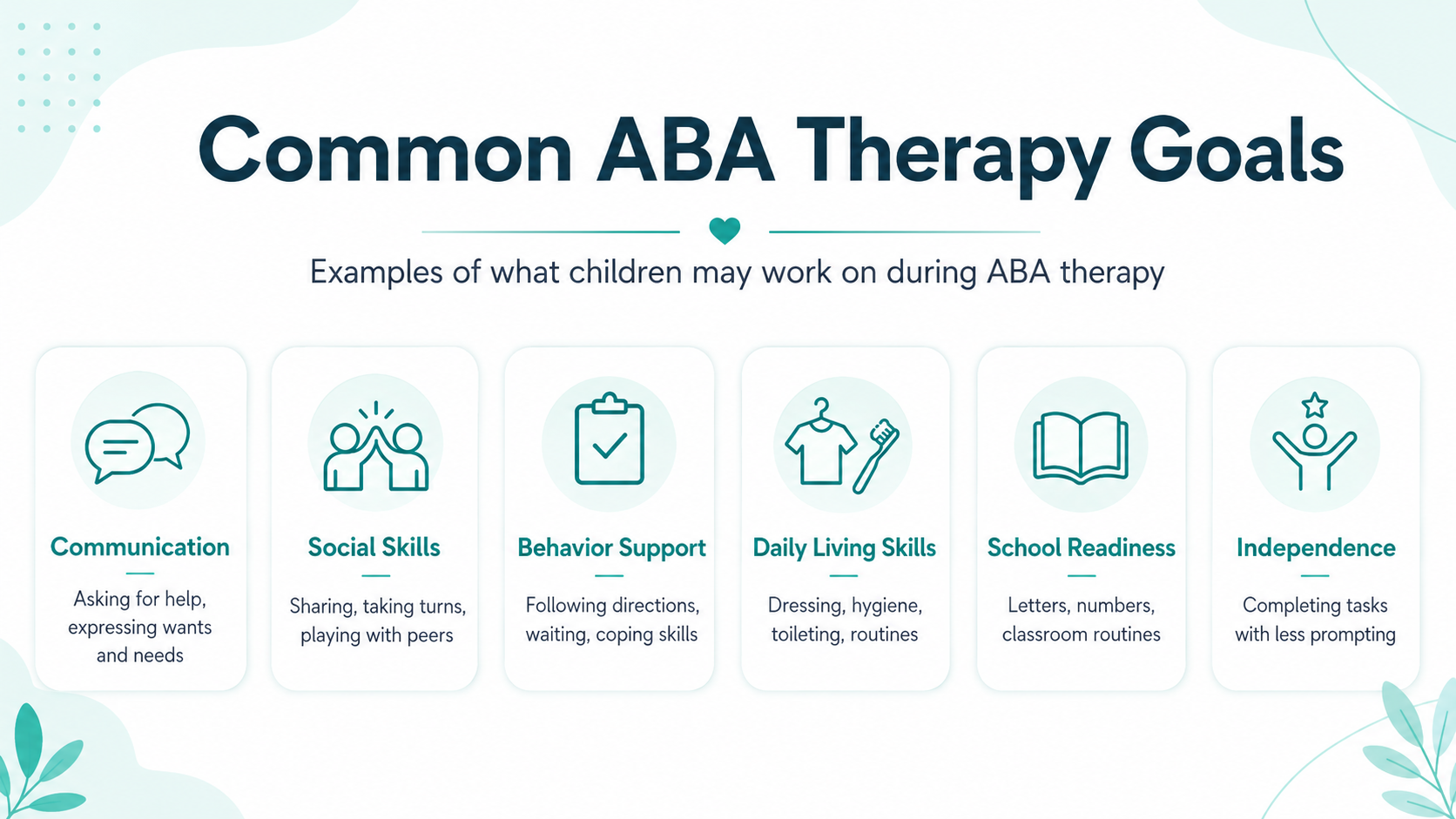
Goals may focus on:
Communication and language
Social interaction
Daily living skills
School readiness
Behavior support
Following routines
Greater independence
Each goal is designed so the clinical team can measure changes and determine whether the child is moving toward meaningful outcomes.
How ATrack helps clinicians monitor progress
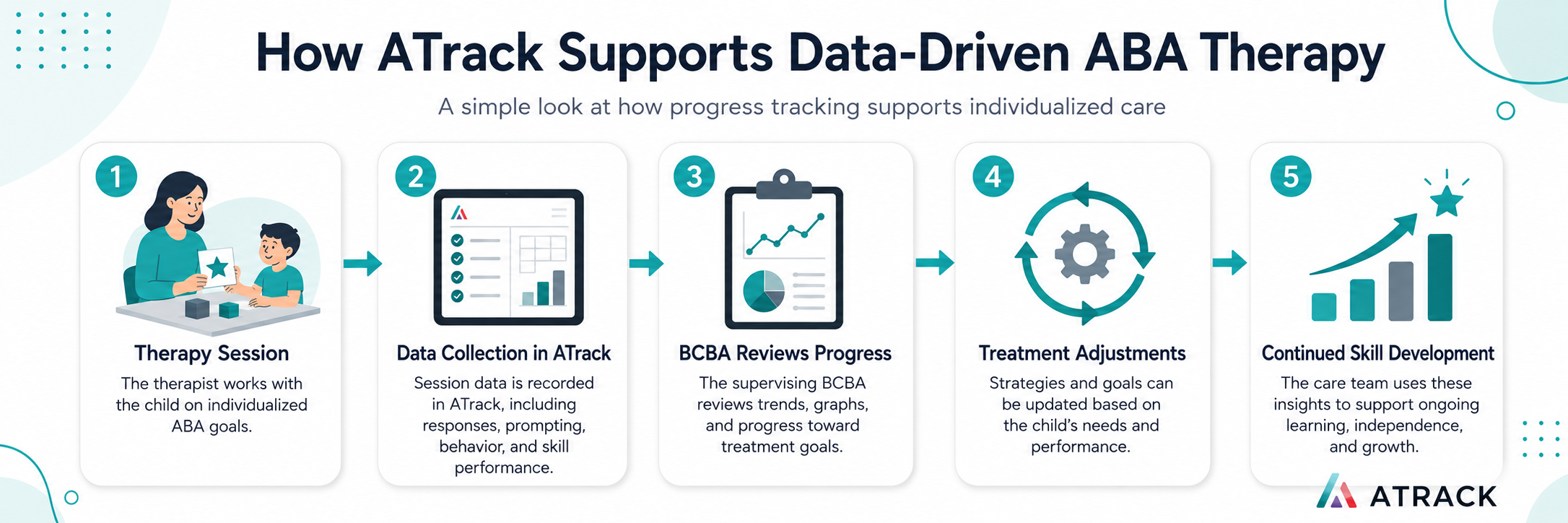
During ABA sessions, Registered Behavior Technicians® (RBTs®) and other clinicians collect information related to the child's treatment plan.
Depending on the goal, the team may record:
Independent responses
Amount of prompting required
Frequency or duration of behaviors
Progress toward skill mastery
Changes in performance across sessions
Use of skills in different settings
ATrack helps keep this information organized in one centralized system.
Rather than relying only on impressions from individual sessions, the supervising BCBA can review patterns in the data and evaluate how treatment is progressing.
Using data to adjust ABA treatment
A child's treatment plan should evolve as skills develop.
If data shows steady improvement, the BCBA may introduce a more advanced goal, reduce assistance, or begin helping the child use the skill in new situations.
If progress is limited, the clinical team can review the data and consider changes such as adjusting teaching methods, modifying prompting strategies, increasing practice opportunities, or dividing a difficult skill into smaller steps.
For children receiving ABA Therapy in Kentucky, this ongoing review helps keep treatment responsive to the child's current needs rather than following a fixed plan.
What does meaningful progress look like?
Progress is different for every child.
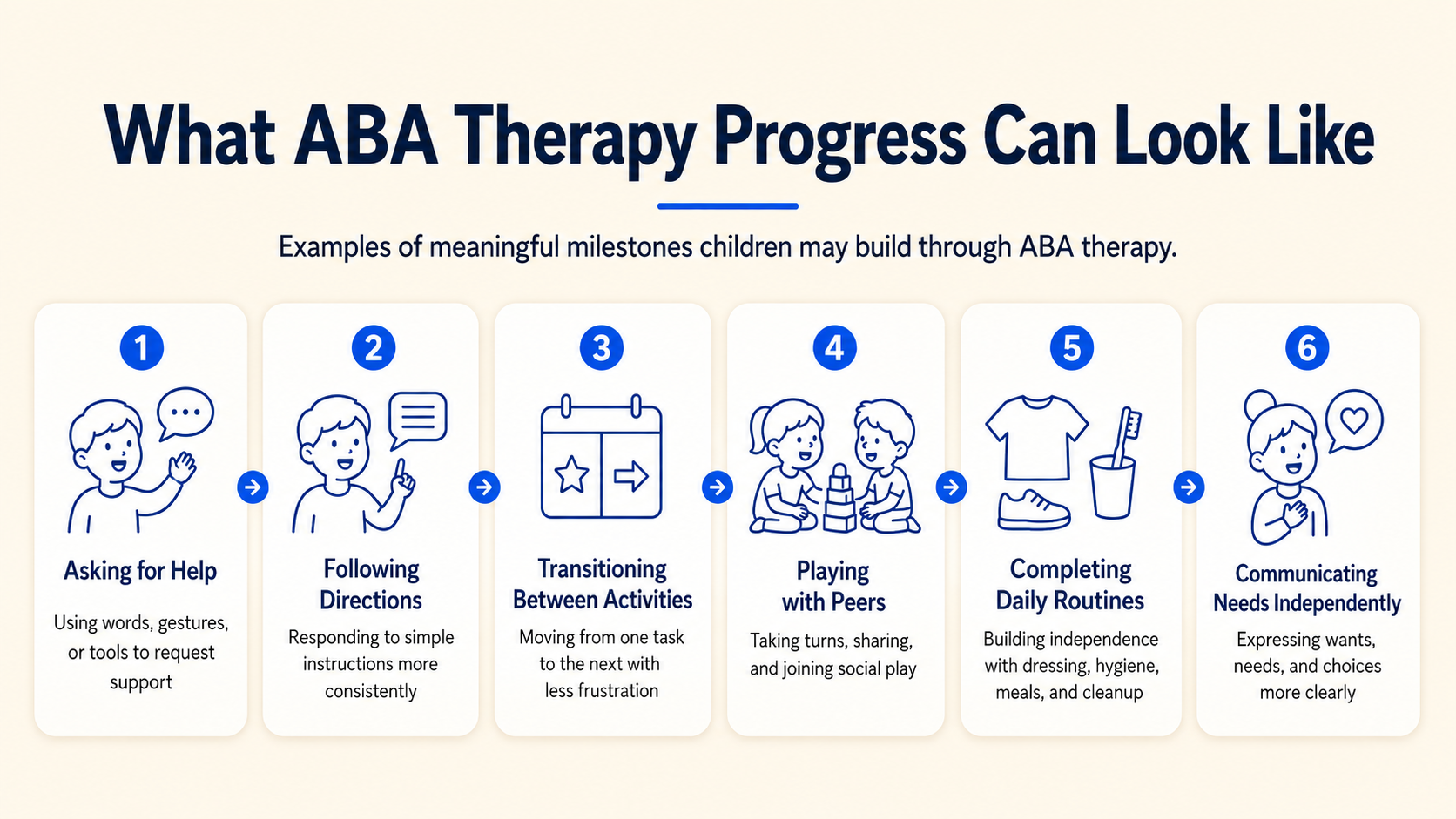
It may mean learning to request help instead of becoming frustrated, participating more successfully in a classroom activity, completing a self-care routine with less assistance, or interacting more comfortably with peers.
Other signs of progress may include:
Following directions more consistently
Transitioning between activities
Waiting appropriately
Communicating wants and needs
Participating in family routines
Using learned skills outside of therapy
Even small improvements can become important building blocks for greater independence and participation.
Looking beyond a single therapy session
Children do not always progress at the same rate from one week to the next.
ATrack allows clinicians to review data across multiple sessions, giving the BCBA a broader view of development over time.
These trends can help determine whether a skill is improving, whether additional support is needed, or whether a goal has been mastered and the child is ready for the next step.
This long-term view is important because one difficult or successful session does not necessarily represent the child's overall progress.
Keeping families involved
Parents and caregivers provide valuable information about how a child is doing outside of therapy.
Families can help the clinical team understand whether skills are beginning to appear at home, at school, or in the community.
Parents may want to ask:
What is my child currently working on?
How is progress being measured?
Which skills are improving?
Has my child mastered any recent goals?
What should we practice at home?
What goals may be introduced next?
Open communication between families and clinicians can help connect what happens during therapy with the child's everyday experiences.
Data-informed ABA Therapy in Kentucky
At Bluegrass Behavioral Consulting, we believe quality ABA Therapy in Kentucky should be individualized, measurable, and guided by each child's progress.
ATrack helps our clinical team securely organize treatment data, monitor individualized goals, and review patterns that can support clinical decision-making.
Technology does not replace the expertise of BCBAs and RBTs. Instead, it provides them with organized information they can use to better understand how a child is progressing and where treatment may need to evolve.
Better data. Better insights. Better-informed care.
Looking for ABA Therapy in Kentucky?
If your family is exploring ABA Therapy in Kentucky, Bluegrass Behavioral Consulting can help you learn more about assessment, individualized treatment planning, and the process of getting started.